Jul 26, 2026Buying Guides
How to Source Custom Sofas from China Without Costly Specification Mistakes
A practical B2B guide to custom sofas from China, with specification, approval and quotation steps for wholesale and contract furniture buyers.

B2B FURNITURE SOURCING GUIDE
How to Source Custom Sofas from China Without Costly Specification Mistakes
Article 01 | Primary topic: custom sofas from China
Quick answer
A sourcing guide for buyers who need a sofa specification that can be quoted, sampled and approved without relying on a reference image alone. For custom sofas from China, the useful question is not simply whether a supplier can make a similar product. The buyer needs to know what information will be used as the working instruction, which decisions are still open, and who will approve the final record. This makes the discussion easier for wholesale, retail, hospitality and residential project teams.
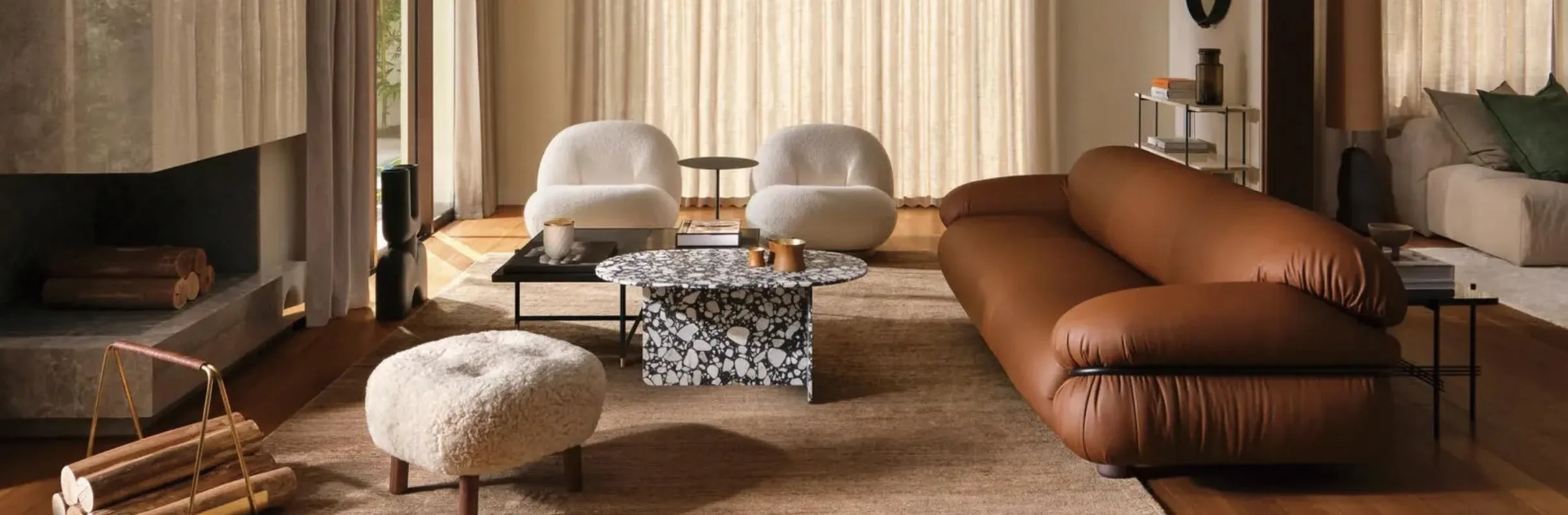
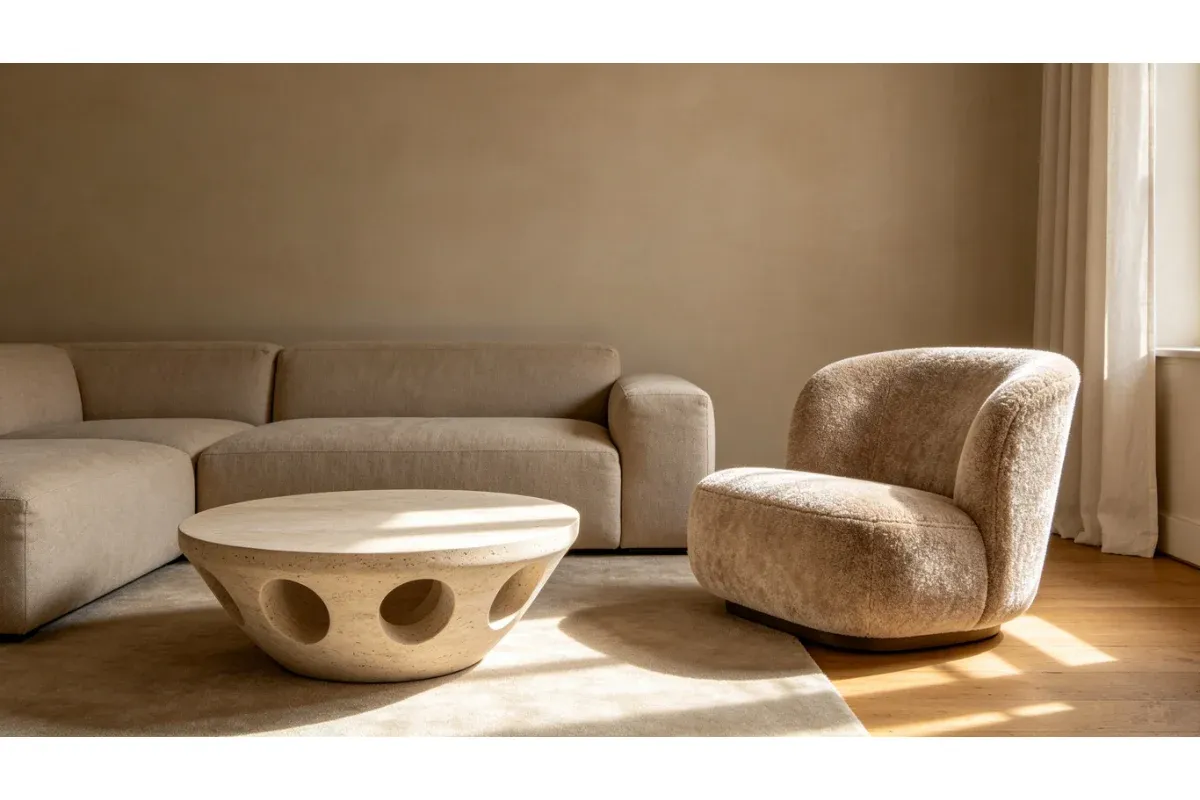
Modern sofa reference from the local product catalog. Confirm the final model, dimensions and finish against the approved project specification.
1. Start with a brief that a factory can review
Begin with the end use and work backward. State whether the item supports a retail collection, a hotel or restaurant area, a villa, an apartment or a designer-led package. Then provide a clear product reference, quantity, target destination and any fixed layout constraints. A supplier can review a realistic brief more effectively than a collection of unlabelled images.
Information to send before asking for a quote
- A labelled reference image or drawing, with the features that must remain unchanged.
- Product quantity, destination market and intended application.
- Overall dimensions and any fixed access, room-plan or installation constraints.
- The requested standard model details and the requested custom changes, separated clearly.
- A named contact who can consolidate design, purchasing and sample feedback.
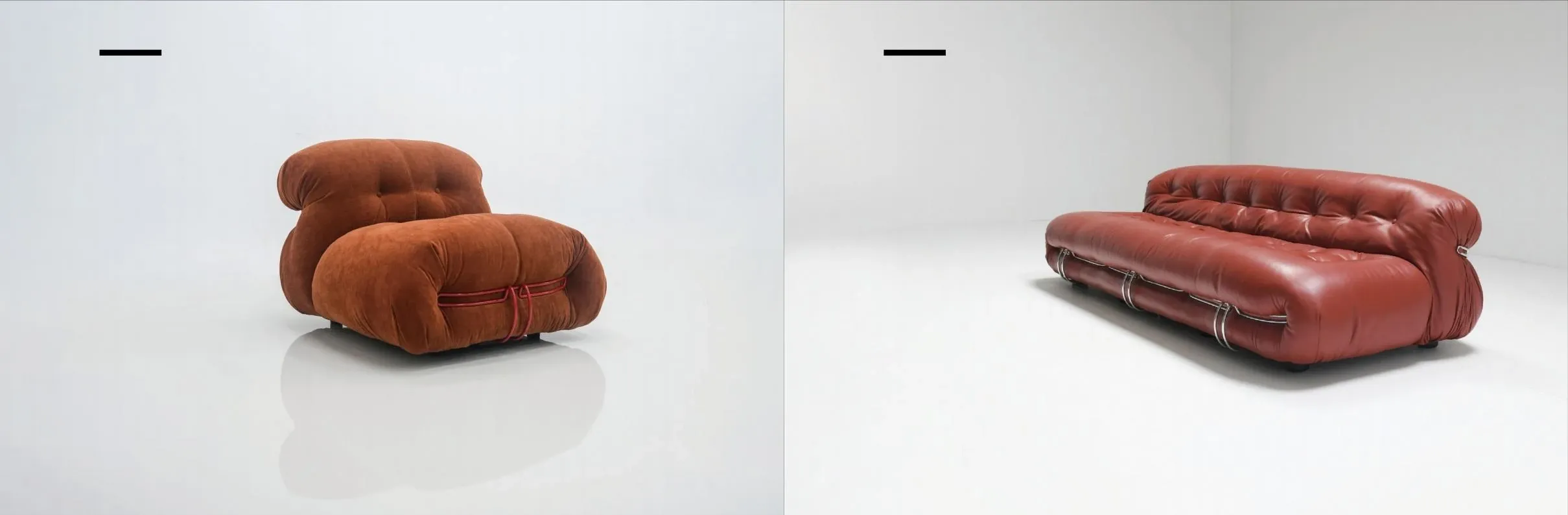
Product silhouette reference. A visual reference should be supported by a drawing and measurable dimensions before it becomes a production instruction.
2. Make the specification measurable
Convert the visual choice into checkable details: dimensions, configuration, visible materials, upholstery or finish codes, hardware, packaging needs and requested custom changes. For materials such as ash wood, marble, stainless steel, iron, upholstery, finish samples and hardware, use a named reference, sample or drawing rather than a broad colour word. Record any option that is still under review so it is not accidentally treated as approved.
A practical specification check
- Are overall dimensions and important component dimensions stated in one unit system?
- Is the desired configuration identified, including left/right orientation where relevant?
- Does every material, colour and finish have a traceable code, physical sample or labelled reference?
- Have visible details such as seams, legs, handles, edge profiles and hardware been described?
- Is the intended packaging or retail labelling requirement known before production is released?
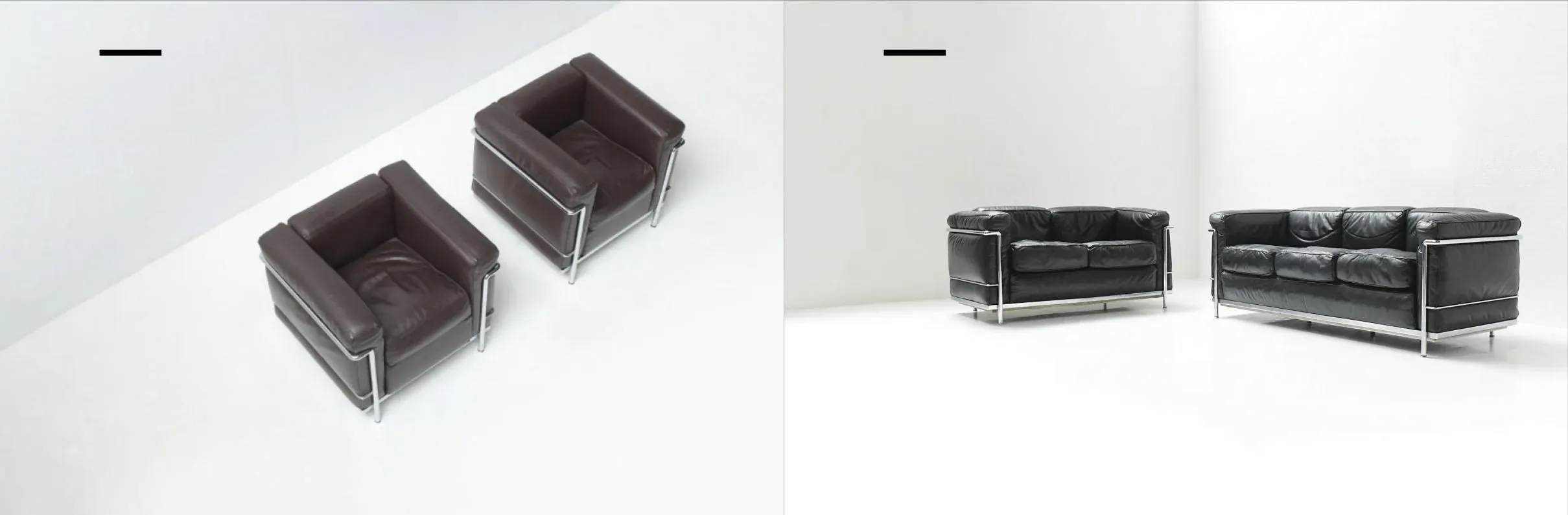
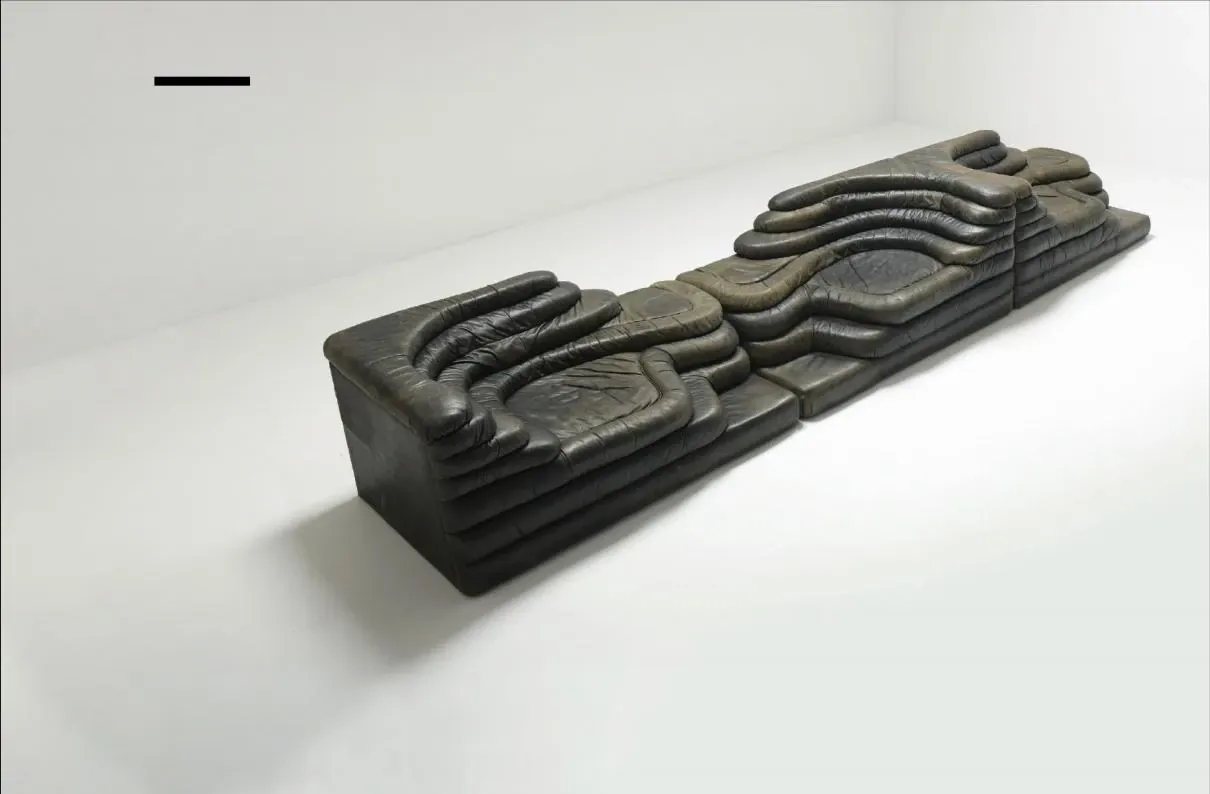
Seating and configuration reference. Record module layout, orientation and connection details for sectional or project seating.
3. Treat samples as approval evidence
Use a single approval path. Compare drawings, material swatches, photographs and samples against the same written brief. Consolidate comments instead of sending disconnected revisions through several channels. Once a decision is approved, preserve the product code, revision date and the evidence used for approval. This is especially important when several decision makers participate in a contract project.
What to check during review
- Visual proportion and dimensions against the approved drawing or brief.
- Material, finish and upholstery direction against the approved reference.
- Comfort, assembly or functional expectations appropriate to the proposed application.
- Visible workmanship, component alignment and any project-specific details.
- Whether all changes are recorded in a final, dated approval note.
Upholstery and cushion reference. Approve the exact material code and construction details instead of relying on an image alone.
4. Compare quotations by scope, not by headline price
Ask for a quotation that shows its assumptions. It should identify the product or configuration, quantity, proposed dimensions, material or finish basis, packaging scope and items that still need confirmation. This is a more useful commercial document than a one-line price because it lets the buyer compare like with like.
5. Keep the project schedule connected
For project work, link each decision to the schedule or BOQ. A product can look correct in isolation and still create a problem if it does not fit the intended room, circulation route, lift, delivery path or installation sequence. Project buyers should keep version control on their drawings and product schedule from the first quote through production confirmation.
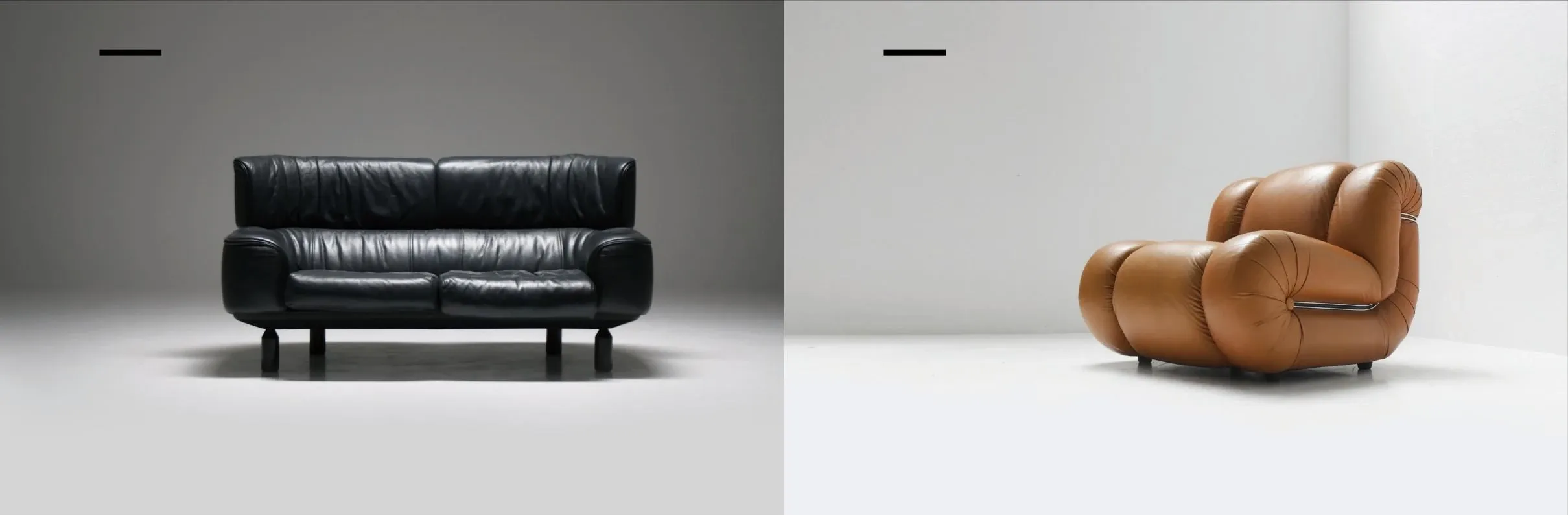
Collection reference. Keep the final choice linked to a written product schedule, finish record and quantity plan.
Common mistakes to avoid
- Assuming an image communicates dimensions, construction or finish requirements.
- Using terms such as 'same as photo' without identifying the exact feature that matters.
- Approving a visual impression without checking the written specification and revision record.
- Comparing quotations that are based on different materials, packaging or custom scopes.
- Starting production while key design, finish or packaging decisions remain open.
Questions buyers often ask
What is the first step for custom sofas from China? Prepare one concise product brief with the end use, reference, quantity, destination and the decisions that are fixed versus still open.
Should a buyer approve a sample? Where a project depends on a particular proportion, material, finish or construction decision, a documented review gives both sides a clearer basis for production.
What should a request for quote include? Include the product reference, dimensions, quantity, materials or finishes, custom changes, packaging needs and destination. Ask the supplier to state assumptions.
Discuss your project
Wellcraft Pro supports B2B buyers sourcing modern sofas, beds, dining furniture and accent pieces for wholesale and contract projects. Share your reference images, drawings, quantities, destination and custom requirements to request a catalog or discuss your project.
Wellcraft Pro | Modern Furniture for Wholesale & Contract Projects